Choosing Materials for a Swiss Interior: Wood, Brass, Stone, Laminate
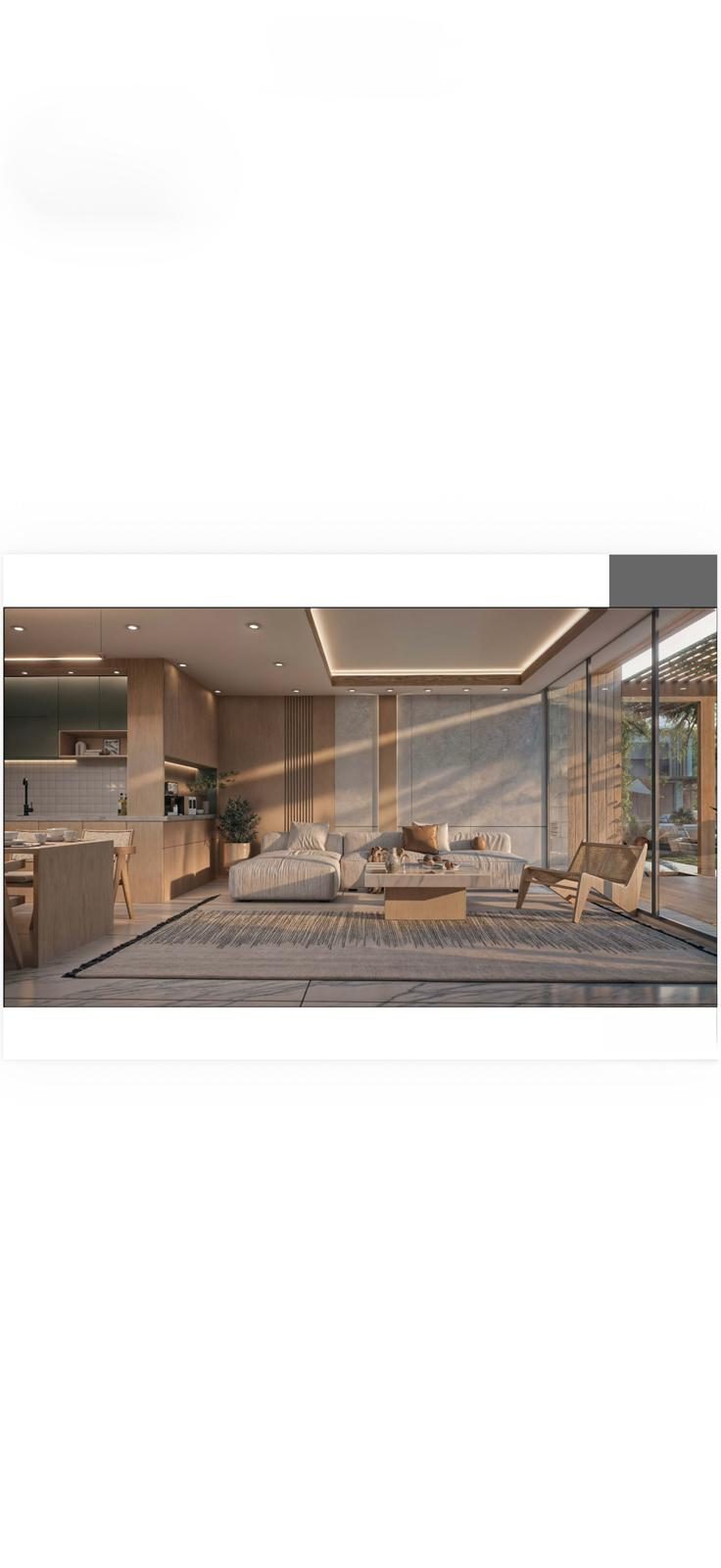
Key Takeaways
- Choose materials for the use and the room, not for a sample or a trend.
- Wood brings warmth and durability; laminate offers the best value for money.
- Stone and brass last decades but need precise daily care.
- Combine materials deliberately — never more than two or three strong ones.
- Prices quoted are indicative ranges: ask for a precise estimate.
Choosing your materials is the decision that most commits an interior project: it fixes the character of the room, its cost, its care and its durability for years to come. Wood, brass, stone, laminate — every material has its personality, its real-world behaviour and its limits. In Switzerland, where rooms are often compact and budgets are considered carefully, choosing a material is less about following a trend and more about serving the room and the way you will actually live in it. This guide walks through the main joinery and furnishing materials — character, cost, care, durability — so you can decide with your eyes open, rather than trusting a sample or a catalogue.
Choosing a material is choosing for years
A good material choice shouldn’t be judged on a sample; it should be judged on the real use the room will see. A worktop that is cut on and receives hot pans answers to different criteria than a cabinet door you touch every day, or than a wall finish you simply live with. So before you look at samples, ask three simple questions: Where will this material be used, how will I care for it, and how many years should it last? The answers let you prioritise — investing in the material where it works hard and is on display, staying frugal where it is discreet — and avoid the two opposite traps: paying too much for an under-used material, or treating durability as an unnecessary cost.
Wood: warmth and character that age well
Wood is the furnishing material par excellence. Oak, walnut, ash or maple: every species has its grain, tone and feel, and all of them bring a warmth that nothing else quite reproduces. A well-chosen solid or veneered wood ages gracefully: the small marks of use become part of its patina, and a light sanding plus a fresh finish can revive it after years. Its insulation and humidity-regulating qualities make it pleasant in every season. Its flip side is care: it dislikes standing water and dry heat, stains when poorly oiled, and requires regular upkeep depending on the finish. It’s the material to choose for a room where you want to feel at home for a long time, with a budget that varies according to the species and finish.
Laminate: the sensible everyday compromise
Laminate is often wrongly dismissed as a “budget” material. In fact, modern laminate panels offer serious resistance to scratches, moisture and impact, simple care — a cloth and a gentle cleaner is all it takes — and a huge range of finishes, including convincing wood and stone imitations. It’s the smartest choice for hard-working surfaces: a kitchen worktop, furniture in a family home, a wardrobe used daily. Its limitation is aesthetic: even a fine imitation can’t replace real material in direct view, and a laminate surface won’t develop a patina. In short, laminate is the value-for-money champion — reserve it for the surfaces that work, where real material would add little.
Stone: a nobility that lasts
Natural stone (granite, marble, quartzite) or large-format ceramic: stone brings a weight and longevity few materials match. It tolerates heat, resists scratches depending on its hardness, and survives the decades without warping. Every slab is unique — the very essence of made to measure. In return, it is heavy, occasionally porous (marble stains and dislikes acids), costly to cut, and its price per square metre is among the highest of all furnishing materials. So it should be used with judgement: a worktop, a splashback, a vanity top — noble, occasional surfaces rather than a whole-room cladding. For a demanding Swiss interior, stone is a rational investment exactly where it will be seen and used.
Brass: the precious, durable detailing
Brass isn’t a structural material; it’s a finishing material — and that is precisely its role: to add a precious note that warms the whole scheme. Handles, taps, feet, edging, sconces — touches of brass enliven a room without dominating it, and they patinate beautifully over time if you let them live. Its care is easy but regular: a soft cloth and the right polish restore its shine, while neglect leaves a light veil that some find elegant in its own right. Brass pairs beautifully with wood, cream tones and deep greens. Use it in touches rather than in large expanses: quantity is what separates a careful detail from a gaudy effect.
Indicative ranges, not certainties
Material prices vary widely by origin, quality, finish and supplier. The ranges below are purely indicative and meant as a starting point for discussion, not as absolute truth — a precise quote is built on your measurements and choices:
- Laminate and melamine: the most accessible options per square metre; broad ranges, strong resistance, simple care.
- Wood (solid or veneered): mid to upper range depending on species (oak, walnut, ash…), finish and thickness.
- Natural stone and quartz: the premium tier per square metre, including cutting and edge finishing — the highest line item.
- Brass: a detailing material; the cost runs per piece and concentrates on small surfaces.
A good interior isn’t built on a single spectacular material, but on the right balance of two or three materials that answer each other: the warmth of wood, the nobility of stone, the precision of a brass detail, and the quiet robustness of a well-placed laminate.
Harmony: knowing how to combine, how to dose
The challenge isn’t choosing one material; it’s choosing several that work together. One simple, effective rule: settle on a dominant material (often wood, which structures the room with warmth), a working surface material (laminate or stone), and a detailing material (brass, brushed brass, ceramic). Dare a temperature contrast — light oak with deep black, walnut with pale stone, brass with a dark green — while keeping the number of tones in the room limited. Dosing matters too: an interior where each material stays quiet and precise feels more coherent than a space where every material calls out. Start from a sample you genuinely love (a tile, a wool, a photograph that moves you), then build the palette around it.
Why these choices are best decided with a professional
There is often a gap between judging decisions on samples and validating them in a real room under the right light. A craftsman or designer helps translate your wishes into coherent choices: they know how each material behaves in daily use, which combinations age well and which tire, and how to weigh durability, care and budget against one another. For context, the guides on Hausinfo (the Swiss housing portal) offer practical recommendations on furnishing and caring for a home, and the construction and housing statistics from the Swiss Federal Statistical Office (OFS/BFS) provide reference points on the housing stock; Egger’s material resources help you understand the laminate panel ranges and finishes available. These references inform the thinking — the final word belongs to your room, your use and your taste.
Unsure between wood, laminate, stone or brass? Tell us about your room and how you use it on WhatsApp at +41 79 888 47 73: we’ll advise you on materials and combinations, with a clear plan and quote, no obligation.