Bringing Autumn Into Your Swiss Home: Warm Materials, Soft Light, Calm Spaces
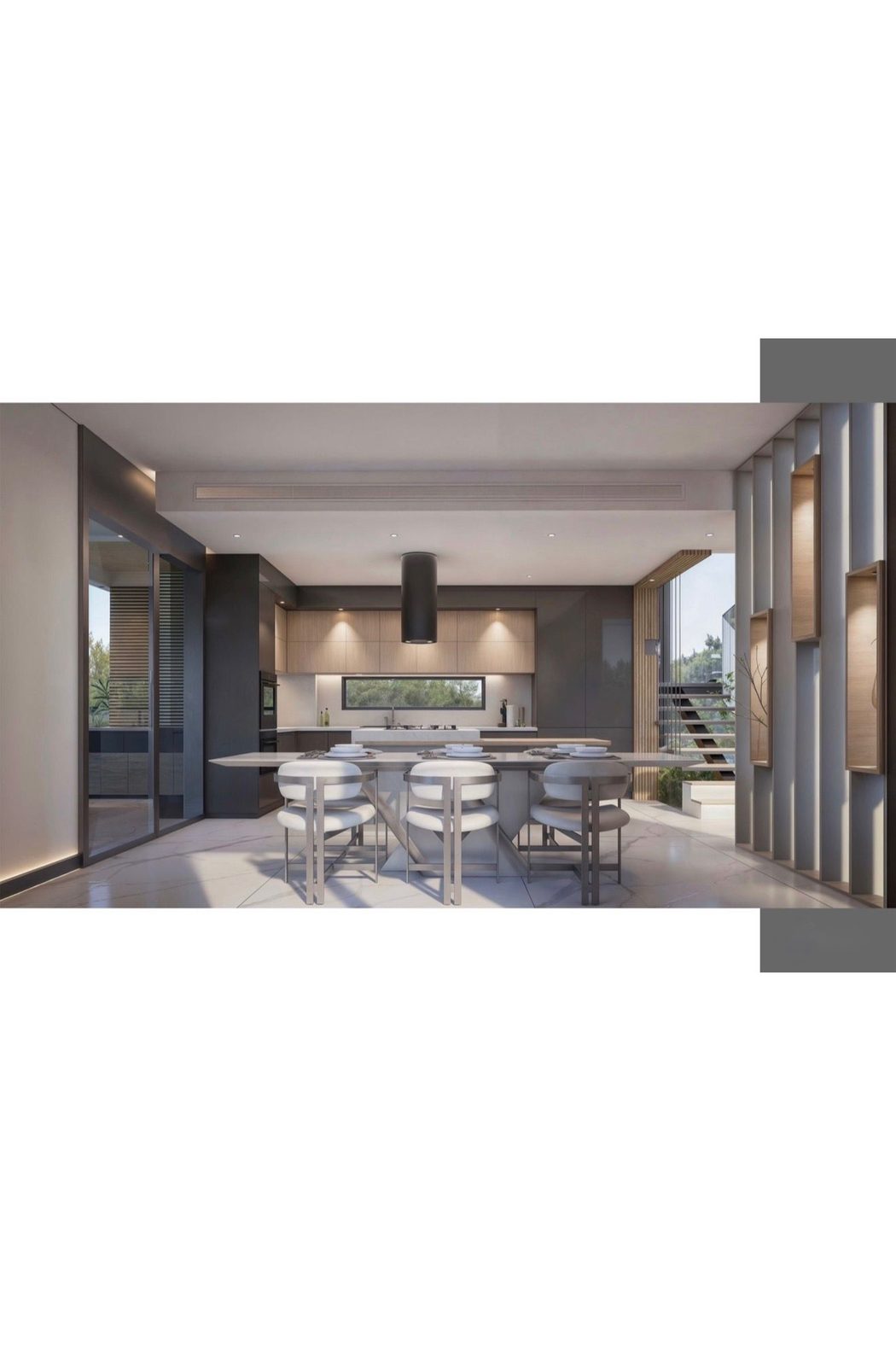
Key Takeaways
- Autumn shifts how we perceive light and materials — comfort can be designed.
- Wood and natural textiles (wool, linen, cotton) warm a room to the touch and the eye.
- Layered lighting — a room, a task, a mood — replaces the single ceiling lamp.
- One dedicated calm corner makes the whole home feel larger and more restful.
- Choosing durable materials (solid wood, wool, stone) lets the home age with elegance.
The air turns cooler, the light grows softer, and for a few months a Swiss home becomes a refuge. Autumn is the season when how we live indoors matters most: shorter days ask for warmer light, and the chill outside turns comfort from a luxury into a daily need. This guide looks at how to bring autumn into your interior without a full redesign — warm materials, layered lighting, calm corners and a few simple rules for a home that genuinely feels good to come back to.
Why autumn changes how you feel at home
Our senses follow the seasons more than we admit. As the evenings lengthen, we naturally want softer light, warmer surfaces and slower evenings. A home that stays on its summer setting — bright, cool, sparse — can feel cold and unwelcoming in October. The good news is that the adjustment rarely needs heavy work: small changes in materials, light and texture are enough to signal to the brain that this is a safe, comfortable place. Interior comfort is largely a question of perception, and perception is something you can design.
Warm materials: wood, wool, linen, stone
The surfaces you touch change how warm a room feels. Wood is the most immediately warm material: a solid oak tabletop, a walnut sideboard or a raw oak shelf bring warmth and a muted, living grain. Textiles do the rest — wool throws, linen cushions, a rug that anchors a seating area. Even a single stone or ceramic element adds depth when paired with softer neighbours. You don't need to replace furniture: adding the right layer is enough.
- Oak, walnut and ash: solid or veneered pieces, chosen for their grain and warmth rather than for fashion.
- Wool and cotton: throws, blankets and cushions in natural fibres that hold warmth without feeling heavy.
- Linen and velvet: an autumn update for curtains, cushions or a seat cover.
- Rugs: a natural-fibre rug anchors a corner and softens both the look and the acoustics of a room.
- Stone and stoneware: one deliberate element — a table, a piece of furniture, a decorative object — to add depth.
Comfort is not a look you buy; it is an atmosphere you assemble. Warmth starts with the materials your hand touches and ends with the light that meets your eye.
Light is the first layer of comfort
Nothing changes a room as fast as light. In autumn we receive less of it, so quality matters more. A warm, dimmable light replaces the single bright ceiling lamp: a floor lamp beside a chair, a reading light, candles, and — in a bedroom or a corner — a subtle wall or under-shelf light. Think in layers: one for the room, one for the task, one for the mood. Even small changes reduce glare and make the space feel softer and more welcoming in the evening.
Don't underestimate natural light either. When daylight is scarce, arrange furniture to make the most of what arrives: a reading chair near the window, mirrors that reflect available light, and finishes that catch the light rather than swallow it.
Calm corners: designing for the season you're in
A cosy home is not a crowded home. It is a home with intentional pauses — a corner that invites a coffee, a seat by the window, a shelf curated with a few objects you love. This is where a recess, an alcove or an unused strip of wall can become a seasonal corner: a hanging chair, a low seat with a throw, a small table with a reading light. Designing a calm corner lets the whole home feel more spacious, because each area has a clear purpose.
- Choose one corner per room and give it a single function — reading, breakfast, a coffee pause.
- Keep it sparse: a seat, a throw, a light, one or two objects.
- Use natural light and position it near a window when possible.
- Adapt the textile layer to the season so the corner can change with the weather.
Scent, texture and the small rituals
The feeling of cosiness is nourished by the senses we decorate least. A subtle scent — wood, amber, cedar, a gentle spice — anchors the feeling of autumn in memory. The texture of surfaces and fabrics does the same in a more physical way. And the rituals matter: taking your coffee to the warm corner, lighting one lamp instead of all the lights, putting a book on the bedside table. These small habits cost little and do more for the atmosphere of a home than any rearrangement.
Materials that keep their warmth
A cosy autumn isn't only a question of mood; it is also a question of quality. Natural materials — solid wood, wool, stone, lime or clay — age well and keep their character season after season, unlike finishes chosen for a single trend. Choosing pieces that last is also a way of building a home you enjoy year after year, one that becomes more liveable with time. When a corner, an alcove or a niche isn't filled by a standard piece, made-to-measure furniture is often the natural answer: it fits the space exactly and lets you choose the material and finish.
The place of bespoke pieces in a cosy home
Bespoke furniture and a cosy atmosphere work well together. A window bench, a shelf in an alcove, a wardrobe that rises to the ceiling, or a niche turned into a reading nook — these are spaces a standard piece can't fill. They also let you choose the material and grain yourself, which is exactly what makes a home feel personal and warm. It isn't about filling the room with pieces; it's about placing the right ones in the right places.
Tell us about a corner, an alcove or a whole room on WhatsApp: we'll suggest how to make it warmer and more useful, with a clear plan and quote, no obligation. Handcrafted in Switzerland.